


 The University of Pisa is a public institution, officially established in 1343. With 20 departments and high-level research centers in multiple areas.
In DAEDALUS, this institution is represented by the Biofabrication Group of the Research Center “E. Piaggio” of the University, one of the oldest interdisciplinary research and technology transfer centers in Europe. Since its foundation in September 1965, the Center “E. Piaggio” has paved the way for the convergence of minds by bringing together scientists from different fields of knowledge, with bioengineering and robotics as main research topics.
Role in DAEDALUS:
UNIPI is the coordinator of the DAEDALUS project and leads the development of a multifunctional endoscopic tool for precise in-body delivery of biomaterials. The team also designs intestinal models to test the biomaterials and applies AI-assisted tools to support the design and optimization of smart, responsive 4D composites.
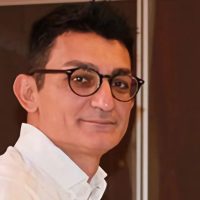 Giovanni Vozzi (Full Professor)
Giovanni Vozzi is a Full Professor of Bioengineering at the University of Pisa and the director of the Biofabricatio Lab at the “E. Piaggio” Research Center. He is internationally recognized for his pioneering work in bioprinting and the development of advanced multi-scale fabrication technologies for tissue engineering. His research focuses on creating “smart” scaffolds that mimic human organs by integrating mathematical modeling with innovative 3D and 4D manufacturing.
Role in DAEDALUS:
Principal Investigator
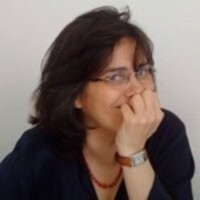 Valentina Calderai (Associate professor)
Valentina Calderai is an Associate Professor of Private Law, Comparative Private Law and AI Law Applied to Biomedicine at the University of Pisa, where she coordinates the Private Law curriculum of the Doctoral Programme in Law and chairs the Democracy hub Circle-U Alliance. She holds a master’s degree in philosophy from the University of Urbino, a master’s degree in Law from the University of Florence, and a PhD in Private and Comparative Law from the Sant’Anna School of Advanced Studies.
She is currently the coordinator of the Jean Monnet Chair, ‘Health Law and Development in the European Union’ (HeLDEn, 2023–2026), which is funded by the European Commission. She also serves as Principal Investigator for the ‘A Legal Framework and Feasibility Study for Open Access Biobanks’ project (ALeF, 2023–2025), which is funded by the Italian Ministry of University and Research.
Her research interests include European private law, consumer protection, the regulation of biotechnologies and the market for reproductive services.
Her recent publications include The Regulation of Health Technologies. A European Perspective (with C. De Maria), Pisa University Press, 2025, and ‘The Self and the Commodified Self Biotechnologies before the Bare Life’, in H. W. Micklitz and G. Vettori (eds.), The Future of the Person, Hart Publishing, 2025.
Role in DAEDALUS:
Her contribution addresses the regulatory and legal dimensions of the DAEDALUS project, with a focus on the EU Medical Device Regulation (MDR) and the Advanced therapy medicinal products (ATMP-R): regulatory classification challenges, legal requirements for the clinical translation, ethical and regulatory implications of patient-specific tissue regeneration procedures and supports the consortium’s pathway from research outcomes to market-ready medical devices.
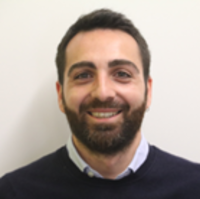 Carmelo De Maria (Associate professor)
Carmelo De Maria is an Associate Professor in Bioengineering at the Dept. of Information Engineering of the University of Pisa (Italy) and carries out his research in the Biofabrication Laboratory of the Center “E. Piaggio” of the same Institution. He is the author of several peer-reviewed papers, and he is involved in research projects funded by public and private entities, focused on the AI-enhanced 3D/4D printing of biomaterials and biological materials for the development of advanced therapies and innovative medical devices.
Role in DAEDALUS:
I am mainly involved in the definition of the regulation framework of the Daedalus outputs, and in the design of the colonoscopic material delivery system.
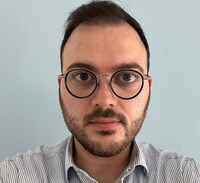 Gabriele Maria Fortunato (Assistant professor in Bioengineering at the Dpt. of Information Engineering)
Gabriele Maria Fortunato is Assistant Professor at the Dpt. of Information Engineering and fellow of the Research Centre “E. Piaggio” (University of Pisa). His research focuses on hardware and software development for robotic-based in situ bioprinting technologies. He also works on advanced manufacturing techniques and their integration to fabricate multiscale and multimaterial scaffolds for tissue engineering applications. Additionally, he is involved in the design and development of bioreactors and in vitro models, as well as open-source medical devices.
Role in DAEDALUS:
In Daedalus he will lead WP4: “Lab-scale multifunctional toolhead for the delivery of the 4D composite biomaterials”, contributing to the design and validation of the advanced toolhead to be integrated in the commercial colonoscope.
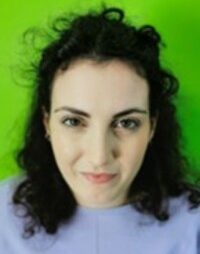 Irene Chiesa (Post-Doc Research Fellow)
A bioengineer by training, Irene Chiesa is currently a postdoctoral research fellow at the Enrico Piaggio Research Center at the University of Pisa. Irene earned her PhD from the Department of Information Engineering at the University of Pisa, focusing on the use of 4D printing in tissue engineering and medical device design. She is currently engaged in cutting-edge research in the field of in situ 4D printing applied to the regeneration of the colon-rectum.
Role in DAEDALUS:
In daedalus, I am meanly invovled in the creation of the in silico suite to study the optimum combination of Daedalus biomaterials.
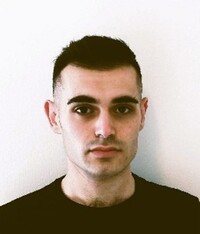 Mauro Di Stasi (Postdoctoral Researcher, PhD)
Mauro Di Stasi is a postdoctoral researcher at the University of Pisa with expertise in cellular pharmacology and biomedical engineering applied to advanced biomaterials. His research focuses on the chemical characterization, extraction, and biological evaluation of novel materials, including marine- and non-marine–derived polysaccharides and other natural compounds. He develops 3D bioengineered skin and ocular tissue models using advanced scaffolds to study inflammation, aging, toxicity, and therapeutic responses. He holds a PhD in Pharmaceutical Sciences and integrates skills in cell culture, natural product pharmacology, and analytical chemistry.
Role in DAEDALUS:
Scientific consultant for the assessment of biological effects of materials before and after the printing process. His activities include the evaluation of cytocompatibility, inflammatory and toxicological responses, and functional cellular outcomes induced by printed and non-printed materials using advanced in vitro tissue models.
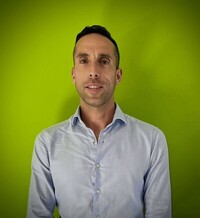 Shady Sanna (Technologist)
BA in International Relations and MA in Philosophical Studies from the University of Pisa. Experienced in European project management (Erasmus+, H2020, Horizon Europe) for public and private entities. Currently responsible for the management of Horizon Europe projects at the “E. Piaggio” Bioengineering and Robotics Research Center of the University of Pisa.
Role in DAEDALUS:
Project Manager
 Viola Pieroni (PhD student)
I’m a PhD student in the biology course of the University of Pisa, however my work mixes with engineering and translational medicine. My research background has taken place both in Pisa and in Murcia (Spain), working on personalized treatment for different type of cancers.
Role in DAEDALUS:
My role in the project is to test in vitro the materials developed by my team. I’m also broadening my experience in working with biomaterial to bridge the gap with the different parts of my work.
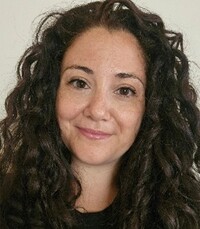 Maria Grazia Soriano (PhD student)
Biomedical engineer with research experience in biomaterials for bioprinting and tissue engineering. In the past, her work was focused on the optimization of bioprinting parameters and on the development of a biocomposite scaffold for corneal stromal tissue engineering using advanced biofabrication techniques. Currently enrolled in a PhD program, her research focuses on biomaterials and their applications in tissue engineering, including the development of biologically relevant in vitro models for use in biomedical research.
Role in DAEDALUS:
The contribution involves the evaluation of the materials developed within the project focusing on their interactions and effects in biological systems. This will be carried out using in vitro models, aiming to assess both the biological relevance of the materials and their potential for translation into innovative biomedical applications.
 Politecnico di Torino was the first Italian Engineering School founded in the wave of the technical and scientific innovation that gave rise to the most prestigious European polytechnic schools in the mid-19th century.
Founded as School for Engineers in 1859, it then became Regio Politecnico di Torino in 1906. Engineers, architects, designers and urban planners have been trained at Politecnico di Torino for over 160 years.
Role in DAEDALUS:
POLITO engineers composite biomaterials designed for controlled drug release and tissue regeneration. Its work supports the design, characterization, and scale-up of next-generation 4D materials, making them suitable for clinical application and industrial production.
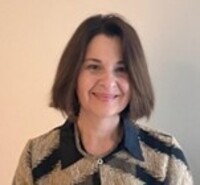 Chiara Vitale-Brovarone (Full Professor)
Prof. Chiara Vitale-Brovarone graduated in Materials Engineering in 1997 and took her Ph.D in Materials Engineering at Politecnico di Torino in 2001. She has won fellowships for research stays at the Ecole de Chimie de Montpellier in France and at the Lawrence Berkeley National Laboratory, California, USA. She is Full Professor in Materials Science and Technology at the Department of Applied Science and Technology (DISAT) Politecnico di Torino since 2017, where she leads the IRIS group (Improving Regeneration by Intelligent Scaffolds, http://www.irisgroup.polito.it). She chairs the following courses: Materials Engineering (Master Science Degree in Materials Engineering) and Materials and engineered surfaces for application in medicine (Master Science Degree in Biomedical Engineering). Her research interests are mainly related to the development of innovative biomaterials ranging from the macro to the nanoscale (3D-scaffolds, smart micro and nanoparticles for drug and molecule release, nanofibrous structures, injectable cement and smart surfaces with osteoproductive, antibacterial, antifouling and biomolecule release properties). She is partner in the start-up Novaicos Immunotherapeutics (https://novaicos.com/), a biotech company focused on innovative approach
for the treatment of cancer and bone-loss related diseases.
In the past she has coordinated the following EU-funded projects: BIORESS (FP7), MATCh (FP7) which has been awarded by the Commission as Success Story, MOZART (H2020), GIOTTO (H2020), BOOST (ERC-Consolidator, PI) and she has been WP leader for the project RESTORATION (FP7).
Currently, she is involved in the following EU projects:
- REBORN (Horizon Europe): coordinator
- TENTACLE (Horizon Europe): PI of Politecnico di Torino
- DAEDALUS (Horizon Europe): PI of Politecnico di Torino and WP leader.
She has authored more than 210 papers including research articles and book chapters (H-index 53 and about 8900 citations) mainly in the field of biomaterials, antibacterial surfaces, surface functionalization and drug release, biofabrication and tissue engineering.
She is in the Standford University’s list of “World’s Top 2%” scientists.
Role in DAEDALUS:
Chiara Vitale-Brovarone leads Work-package 3 and Work-package 5, co-supervises the activities related to the development and validation of the platform of engineered microparticles for the release of nutrients/drugs/biological stimuli (Task 3.3 – Engineering particles enabling controlled delivery) and their subsequent integration into the printing formulations (Task 5.2 –Design and ranking of the composite formulations for mucosa and submucosa).
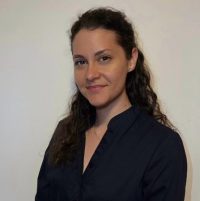 Eleonora Marta (PhD student)
In March 2025, I obtained my Master’s degree in Biomedical Engineering, with a specialization in Bionanotechnologies, from Politecnico di Torino. My Master’s thesis was carried out within the Horizon Europe project REBORN, through a collaboration between the IRIS group (DISAT, Politecnico di Torino) and the ScriPT group at i3S – Institute for Research and Innovation in Health in Porto (Portugal).
My research activity focused on the in vitro biological characterization of smart nanocarriers for controlled drug release, as well as on the in vivo assessment of the biocompatibility of electrospun cardiac patches.
In April 2025, I joined the IRIS group as a research fellow, subsequently continuing my path as a PhD student in Bioengineering and Medical‑Surgical Sciences, taking part in the Horizon Europe project DAEDALUS. My current research focuses on the synthesis, optimization, and characterization of micro- and nanoparticles for the regeneration of the mucosal and submucosal tissues of the colorectal tract.
Role in DAEDALUS:
Synthesis, optimization, and characterization of micro‑ and nanoparticles for oxygen and antifibrotic drug delivery produced via co‑axial electrospinning and double emulsion.
 UKW Universitätsklinikum Würzburg was founded more than 400 years ago and it’s one of the oldest – and modern – teaching hospital in german speaking Countries. It counts 19 clinics, 3 autonomous polyclinics and 4 clinical institutes that offer high-quality medical care and conducts cutting-edge research. Every year the Hospital accommodates more than 330.000 inpatients and outpatients.
Close cooperation with the Medical Faculty of the University of Würzburg and other research institutions enables the provision of innovative treatments in numerous fields.
The hospital is ranked as one of the best in Germany attracting patients and professionals from all over the world.
Role in DAEDALUS:
UKW contributes to the development of advanced biomaterial scaffolds and support structures. It focuses on tailoring the physical and chemical properties of materials and on integrating them into the complete endoscopic system, while supporting in vitro testing and scale-up activities.
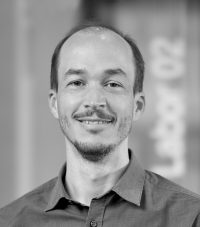 Tomasz Jüngst (Professor, Doctor)
Tomasz has studied Nanostructural Engineering at the Julius-Maximilians University Würzburg. After his diploma he worked on the development of biofabrication technologies during his PhD and currently owns the Professorship for Bioprinting Technologies at the University Hospital Würzburg.
Role in DAEDALUS:
Tomasz will be supporting with the fabrication of melt electrowritten tubular meshes that are used to generate the crypt-like morphology of the colon after printing.
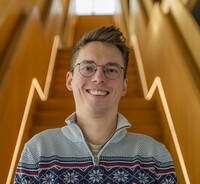 Florin Kluthe (PhD candidate)
Bachelor and Master in Chemistry
Role in DAEDALUS:
UKW contributes to the development of advanced biomaterial scaffolds and support structures. It focuses on tailoring the physical and chemical properties of materials and on integrating them into the complete endoscopic system, while supporting in vitro testing and scale-up activities.
 Founded in 1404, the University of Turin (UniTo) is a public institution of High Education. UNITO boasts the largest Department of Surgical Sciences in Italy. The faculty staff has the leading positions in the international arena of scientific research especially on minimally invasive therapy, robotics, clinical imaging and interventional radiology and innovative materials for surgical applications.
Role in DAEDALUS:
UNITO provides clinical expertise to guide the selection and testing of materials and tools. Surgeons from UNITO are involved in preclinical validation of the DAEDALUS solution, using realistic anatomical models and performing tests in ex vivo and in vivo settings.

IBMM (University of Montpellier, CNRS, ENSCM) is one major French institute of research recognised for its work in the different classes of essential biomolecules: lipids, sugars, nucleosides and oligonucleotides, peptides and proteins, prebiotic molecules and biopolymers. IBMM displays its skills for integrated research, with the aim of understanding the mechanisms of life by designing molecules and systems useful for biology, medicine, and agriculture while developing green chemistry processes.
Within IBMM, The Department of Polymers for Health and Biomaterials (PHBM) is a multidisciplinary research group dedicated to polymers related to biomedical applications. The PHBM researches focus on designing, synthesizing, characterizing and evaluating polymers to meet the requirements of therapeutic applications. The PHBM is recognized for its expertise in degradable polymers and polymer biomaterials for healthcare applications and gathers experts in polymers, macromolecular chemistry and biomedical sciences.
Role in DAEDALUS:
The PHBM team develops innovative degradable polymers tailored for biomedical applications.
 Inaugurated in 1817, counts several Nobel Prize winners between its alumni and it’s the first European University in South Korea.
The IBD Research Unit is expert in model systems (in vitro, ex vivo, organ on a chip, mouse models) to study the inflamed bowel, translational medicine and initiating academic clinic trials, biobank, gut fibrosis and gut-brain communication.
Role in DAEDALUS:
UGent combines its expertise in polymer chemistry and gastrointestinal research. The team synthesizes light-responsive hydrogels and performs comprehensive preclinical testing, including in vitro and animal models, to validate the therapeutic potential of the 4D materials.
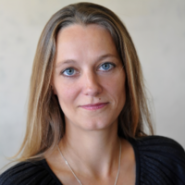 Debby Laukens (Full professor)
Debby Laukens is professor of Experimental Gastroenterology at Ghent University (Belgium) and Principal Investigator of the IBD Research Unit at the department of Internal Medicine and Pediatrics. Her research focuses on chronic intestinal inflammation – particularly inflammatory bowel disease (IBD) – and explores the central role of the gut in neurological conditions such as Parkinson’s disease and behavior-related disorders. One of her key areas of expertise is the in vitro and ex vivo modeling of the gut mucosa.
Role in DAEDALUS:
In DAEDALUS, she will lead the cell biology activities, with a particular emphasis on assessing the biocompatibility of intestinal cells. In addition, she will coordinate the proof-of-concept studies for in situ bioprinting within a preclinical framework, including the first-ever evaluation of the bioprinting tool in relevant animal models, enabling a comprehensive assessment of its feasibility, safety, and biological performance in vivo.
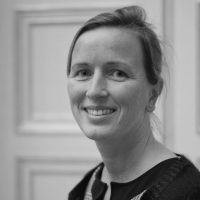 Sandra Van Vlierberghe (Professor and group leader)
Prof. Dr. Sandra Van Vlierberghe holds a full-time research professorship (BOF-ZAP) at Ghent University (Polymer Chemistry & Biomaterials Group, Belgium). She has acquired expertise related to the synthesis, the modification and the processing of photo-responsive and/or photo-crosslinkable (bio)polymers including thermoplasts (e.g. polyesters) and hydrogels (e.g. proteins and polysaccharides) for a variety of biomedical applications. She is experienced in the field of polymer processing using extrusion- and light-based 3D-printing. She received her PhD in Sciences in 2008 at Ghent University. She authored >335 Web of Science Core Collection cited papers, she has a h-index of 57 (WoS). She is treasurer of the Belgian Polymer Group (BPG), secretary of the European Society for Biomaterials council, former spokesperson of the ‘Young Scientist Forum (YSF)’, former TERMIS-EU council member and founding board member and secretary of the Belgian Society for Tissue Engineering. She serves on the editorial board of several journals focussing on biomaterials and tissue engineering. In 2017, she received the Jean Leray award from the European Society for Biomaterials and in 2025, she received the mid-term career award from TERMIS-EU. She is (co-)inventor of numerous patents and is co-founder of two spin-offs.
Role in DAEDALUS:
Sandra helps in guiding and overseeing the projects/tasks revolving around the synthesis and optimization of the biomaterials, in particular the ones based on gelatine (Work Package (WP) 2-3), and the Poly alkylene terephthalate (PAT’s) used for shape morphing (WP 5). She furthermore provides valuable input in the processing aspects within the Daedalus project (WP 6).
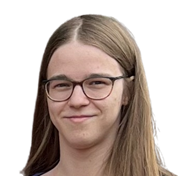 Yana Waegemans-Rosiers (Doctoral fellow/PhD student & Master of Science (MSc))
Graduated in 2024 as Master in Bioscience Engineering: Cell & Gene Biotechnology at Ghent University (Belgium).Started in February 2025 as a PhD student at the IBD Research Unit lab at Ghent University, which focusses on preclinical research into gut-driven diseases, such as Inflammatory Bowel Disease (IBD).
Role in DAEDALUS:
My role within the project is twofold. First, to assess the biocompatibility of the various components of the DAEDALUS procedure via cell-based in vitro models. Second, to evaluate the feasibility and regenerative potential of the procedure using in vivo mouse and pig models.
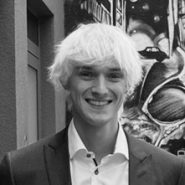 Hannes Vandeputte (PhD student)
Hannes Vandeputte obtained his Master of Science in (Bio)Organic and Polymer Chemistry at Ghent University in Ghent, Belgium, in September 2023. During his master’s thesis executed within the Organic Synthesis Group of Prof. Dr. Johan Winne, he focused on cationic cascade cyclization reactions of guanidine-containing terpenoids. This was followed by an internship at Plinius Labs in Aalter, Belgium, where he conducted research regarding the valorisation of lignin into vanillin using natural processes. He furthermore worked in industry during one year at Idelco Insulation NV in Wielsbeke, Belgium, as R&D engineer before starting his PhD within the PBM group under the supervision of Prof. Dr. Sandra Van Vlierberghe.
Role in DAEDALUS:
Hannes is responsible for the synthesis and characterization of the different biomaterials, more specifically, the materials based on gelatine (work package (WP2-3). He is furthermore involved in the shape morphing, synthesis of the corresponding Poly alkylene terephthalate (PAT’s) (WP 5), final formulation optimization and scale up aspects (WP6) of the Daedalus project.
 AdBioInk is a pioneering high-tech company specializing in the production of advanced biomaterials, especially bioinks, biopolymers and extracellular matrix (ECM) and was the first company to introduce the BioPen, a portable bioprinter system. AdBioInk is committed to providing innovative, easily accessible, and high-quality biomaterials.
Role in DAEDALUS:
AdBioInk adapts its portable BioPen-X bioprinting device for use in endoscopic procedures. Their work focuses on enabling the precise in situ delivery of multiple biomaterials, helping to recreate complex tissue structures inside the body with minimal invasiveness.
 THIOM is a research center situated in Innsbruck. Founded in 2003, ThioMatrix currently counts 10 to 15 employees. The center is specialized on the development of non-invasive drug delivery systems utilizing its core technologies: Thiomer Technology and SEDDS Technology.
Role in DAEDALUS:
ThioMatrix brings its expertise in advanced drug delivery systems to support the formulation of smart therapeutic components in the DAEDALUS biomaterials. The team also leads the project’s regulatory strategy and contributes to scaling up production of materials from lab to preclinical stages.
 Role in DAEDALUS:
AIJU leads efforts to ensure the social acceptability and patient engagement aspects of DAEDALUS. The team conducts studies with citizens and end-users, develops educational materials, and supports activities aimed at increasing awareness and acceptance of the new therapy approach.

BEWH is the Belgium branch of the Italian company Tinexta Innovation Hub, a privately held consultancy services company that provides full-spectrum consulting in business finance. BEWH has extensive experience in project management, communication, dissemination, and exploitation of project results, as well as environmental, economic, and social impact assessment. BEWH offers a methodological and strategic approach for the successful implementation of EU-funded research and innovation projects.
Role in DAEDALUS:
BEWH is responsible for the project’s communication, dissemination, and exploitation strategy. It ensures that project results reach the right stakeholders, coordinates networking activities, and supports the management of data, training actions, and impact tracking.
 Role in DAEDALUS:
4TISSUE contributes to the design and development of gelatin-based 4D biomaterials using its proprietary technologies. The company also provides expertise on in vitro and in vivo analysis and helps build the business case and exploitation strategy for clinical translation.
 Lana Van Damme (Chief Scientific Officer (CSO) and co-founder of 4Tissue)
Lana Van Damme received her medical degree from the University of Ghent, where she began her residency in the Department of Plastic and Reconstructive Surgery in 2023. In 2018, she obtained an FWO SB mandate for an interdisciplinary PhD project between the faculty of Sciences of Ghent University in the Polymer Chemistry & Biomaterials Research group (PBM) and the Department of Plastic and Reconstructive Surgery. This collaboration ultimately led to her current role as CSO and co-founder of the spin-off company 4Tissue.
Role in DEDALUS:
4Tissue’s involvement in the DAEDALUS project covers two key areas of expertise: (1) the development and pre-clinical evaluation of polymer-based injectables (CuraDUO technology) (WP2, WP3, WP5 and WP7), and (2) business case development (WP1, WP6 and WP8). First, 4Tissue will contribute to the synthesis and optimisation of hydrogels for the production of tuneable and photo-crosslinkable bioinks. Second, 4Tissue will support the business case development for the DAEDALUS products by leveraging its experience in in vitro and in vivo analysis as well as navigating regulatory requirements throughout preclinical evaluation.
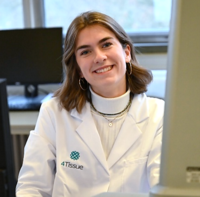 Nele Eeckman (Scientific Researcher at 4Tissue)
Nele Eeckman is a Scientific Researcher at 4Tissue, specializing in hydrogel‑based solutions for tissue reconstruction. Her work combines hands‑on laboratory research with the coordination and management of European and national R&D projects. Nele holds a Master’s degree in Biomedical Engineering from KU Leuven and a Master’s in Advanced Materials Science and Engineering from Imperial College London.
Role in DEDALUS:
4Tissue’s involvement in the DAEDALUS project covers two key areas of expertise: (1) the development and pre-clinical evaluation of polymer-based injectables (CuraDUO technology) (WP2, WP3, WP5 and WP7), and (2) business case development (WP1, WP6 and WP8). First, 4Tissue will contribute to the synthesis and optimisation of hydrogels for the production of tuneable and photo-crosslinkable bioinks. Second, 4Tissue will support the business case development for the DAEDALUS products by leveraging its experience in in vitro and in vivo analysis as well as navigating regulatory requirements throughout preclinical evaluation.
 Role in DAEDALUS:
 Role in DAEDALUS:
LIST focuses on safety, sustainability, and environmental impact. Its team evaluates the biocompatibility of materials and ensures that all biomaterials developed in DAEDALUS follow a Safe- and Sustainable-by-Design approach throughout the project lifecycle.
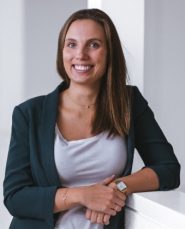
Charlotte B. A. Stoffels (R&T Scientist, Ph.D)
I am a toxicologist specialized in advanced microscopy techniques to evaluate toxicological impacts at tissular and (sub)cellular resolutions.
I am responsible for conducting Safe and Sustainable by Design (SSbD) assessments and performing toxicological assays. My work ensures the safety profile of materials produced and supports the project through rigorous data analysis and the evaluation of toxicological endpoints.